BRAND STORY of Zevar Baksa, Jaipur
It started with crayons on a bedroom floor; a girl watching her mother design jewellery, then trying to design her own. That instinct never really left.
Zevar Baksa is where it landed. Zevar means jewellery, Baksa means box; a jewellery box, a nod to everything jewellery can carry, and everything it can mean.
Jaipur runs on the hands of its artisans, and that's where we come from. Zevar Baksa exists to give them the credit they rarely receive; every piece designed from scratch, shaped in collaboration with the artisan and designer behind it, their name carried with the collection, not left behind at the workshop door.
Our aim is reinterpretation; taking culture, nature, and tradition and giving them a contemporary edge. Every collection, and every metal we choose for it, carries a reason; a purpose, a meaning, nothing picked at random.
That same intention runs through our logos. English marks our modern collections, Hindi marks the traditional ones; written in our founder's mother's hand, a personal thread stitched into the brand; and a submark that's simply us, distilled.
Zevar Baksa isn't made to be waited on. It's made to be worn.
01 / Core Principles
The commitments behind every piece.
We operate on intention rather than volume, creating jewellery that carries enduring cultural and emotional weight.
Story first, not trend first
Every collection starts from an idea, a place, or a craft worth exploring, never a trend report.
Named, not anonymous
Designers, and team members who shape a collection are credited publicly. Recognition isn't an afterthought here, it's part of how the brand works.
Limited, not mass
We release in collections, not constant inventory. Each one earns its place before it goes out, so every piece finds someone who actually wants it.
Jaipur is the source, not the backdrop
The city's architecture, colour, and living craft traditions run directly through the design language. It's not a setting we photograph in, it's where the ideas come from.
Kept, not just bought
The name says it plainly: Baksa means box, the place where precious things are kept and returned to. That's the relationship we want with every piece, not a transaction, a keepsake.
02 / Craft & Process
Every piece starts on paper, never off a wholesaler's rack.
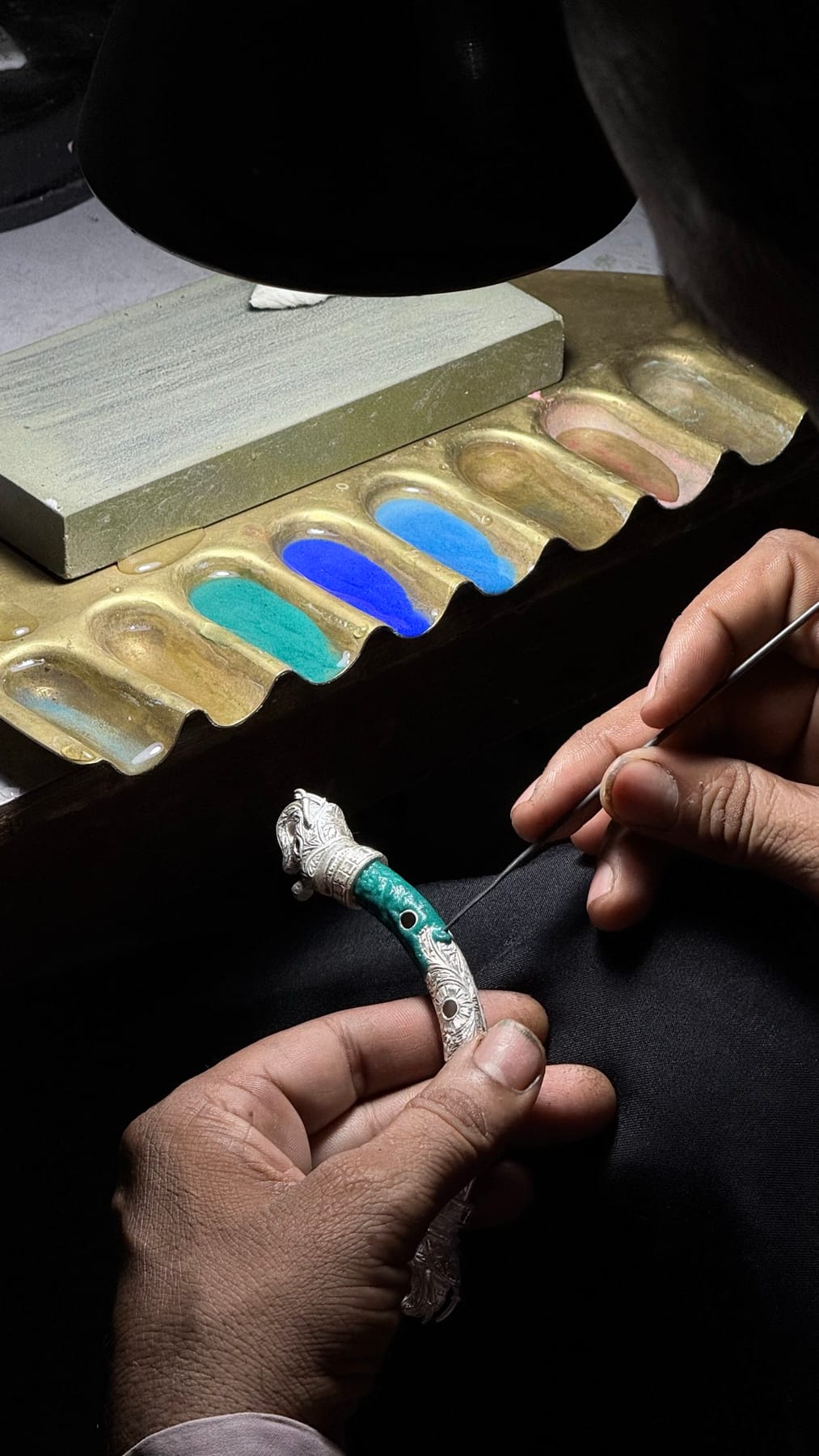
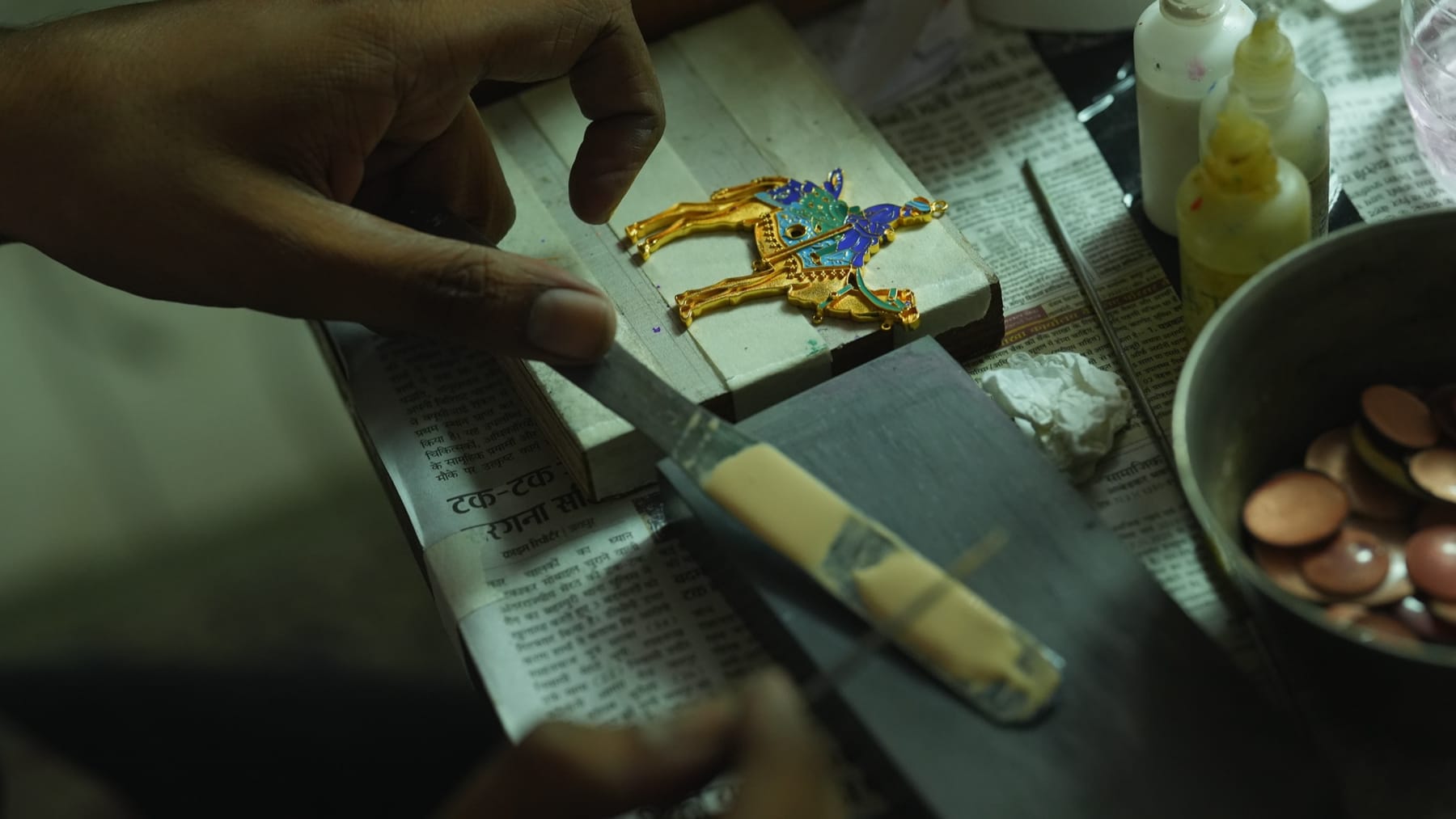
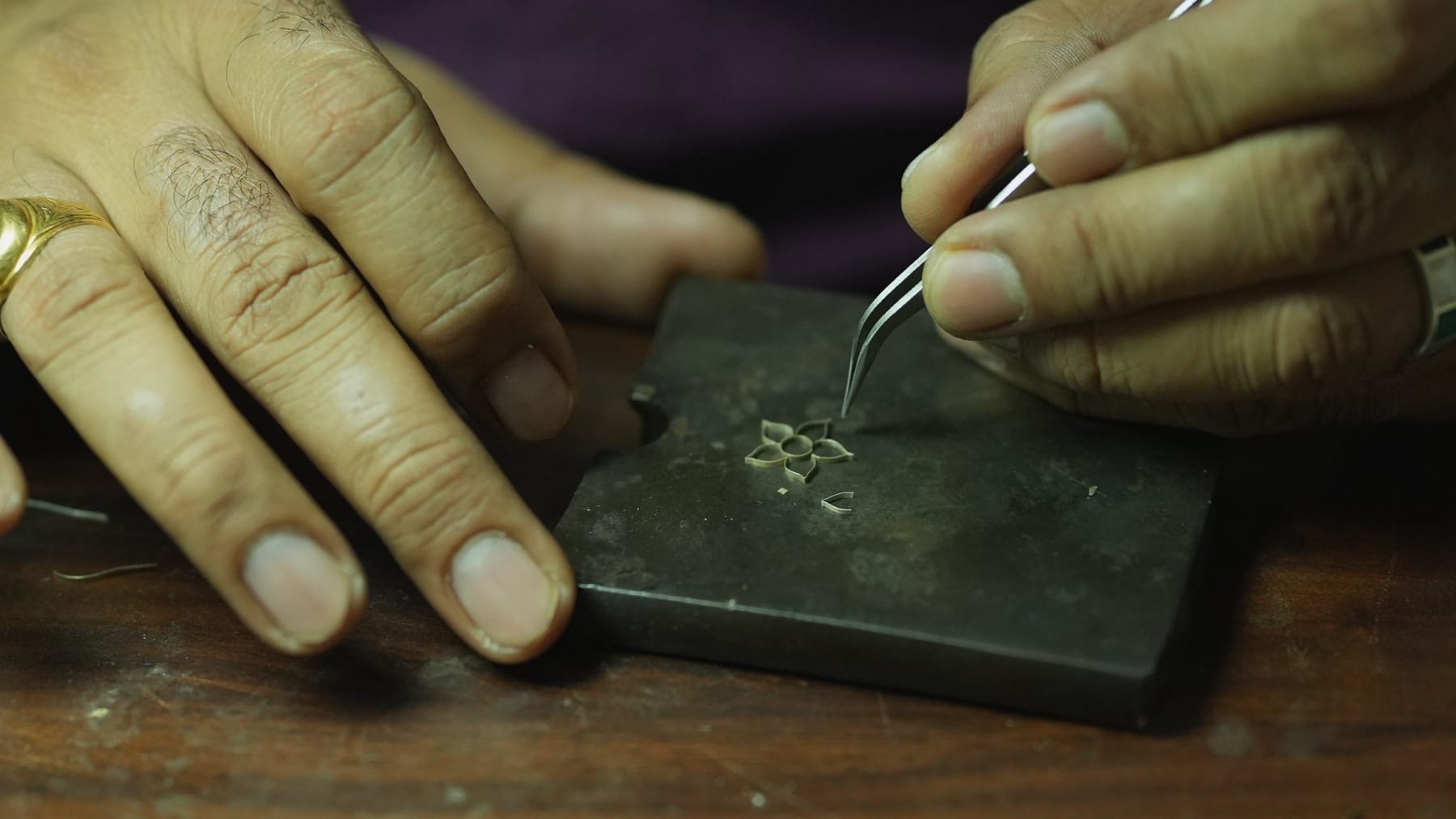
Every piece starts on paper, designed in-house by our own team, not picked off a wholesaler's rack. Once a design is finalised, it moves to independent manufacturing units across Jaipur, artisans and karigars who bring decades of hands-on skill to each piece, working in materials suited to the collection: brass, silver, or gold.
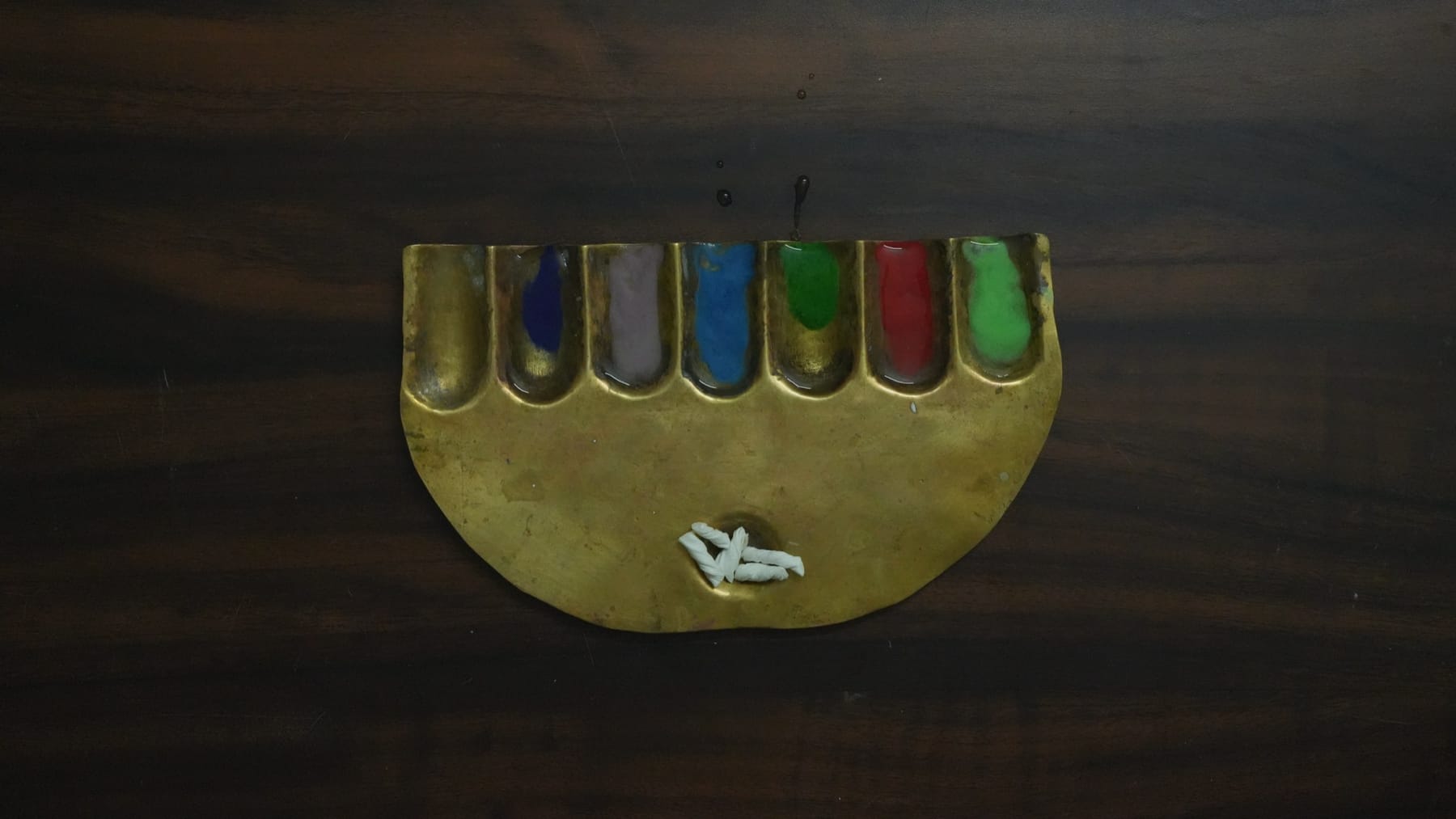
Some pieces pass through multiple hands before they're finished, a designer, a goldsmith, an enamellist, a polisher, each adding what the last could not. Nothing is rushed. A collection like Meena Bagh, for instance, involves enamel fired onto metal at close to 750°C, a process that simply cannot be shortcut.
This is also why our pieces are made in limited runs. We're not manufacturing at scale, we're working directly with independent artisans who put real time into every piece, and we'd rather stay small and intentional than compromise that.
We're also working toward bringing manufacturing in-house over time, so that the artisans behind our pieces can be credited by name, not just by workshop.


03 / The Model
The Artisan-Credit Model
Every piece is designed in-house, then brought to life in collaboration with individual manufacturing units in Jaipur. We're working toward bringing manufacturing fully in-house, where our own karigar team will be credited by name for their work on every collection.
04 / Provenance
Where We're Based
Our founder is from Jaipur. So are our artisans, our manufacturers, and Zevar Baksa itself, we're based here, working from the same city the craft comes from, not sourcing it from a distance.
05 / Visual Identity
Logos & Visual Identity Note
Zevar Baksa carries three marks, each with its own role rather than one being a “backup” of another.

English Wordmark
Used for contemporary collections and everyday brand touchpoints, product pages, packaging for modern pieces, digital ads, and anywhere the brand needs to read cleanly to a broader audience.
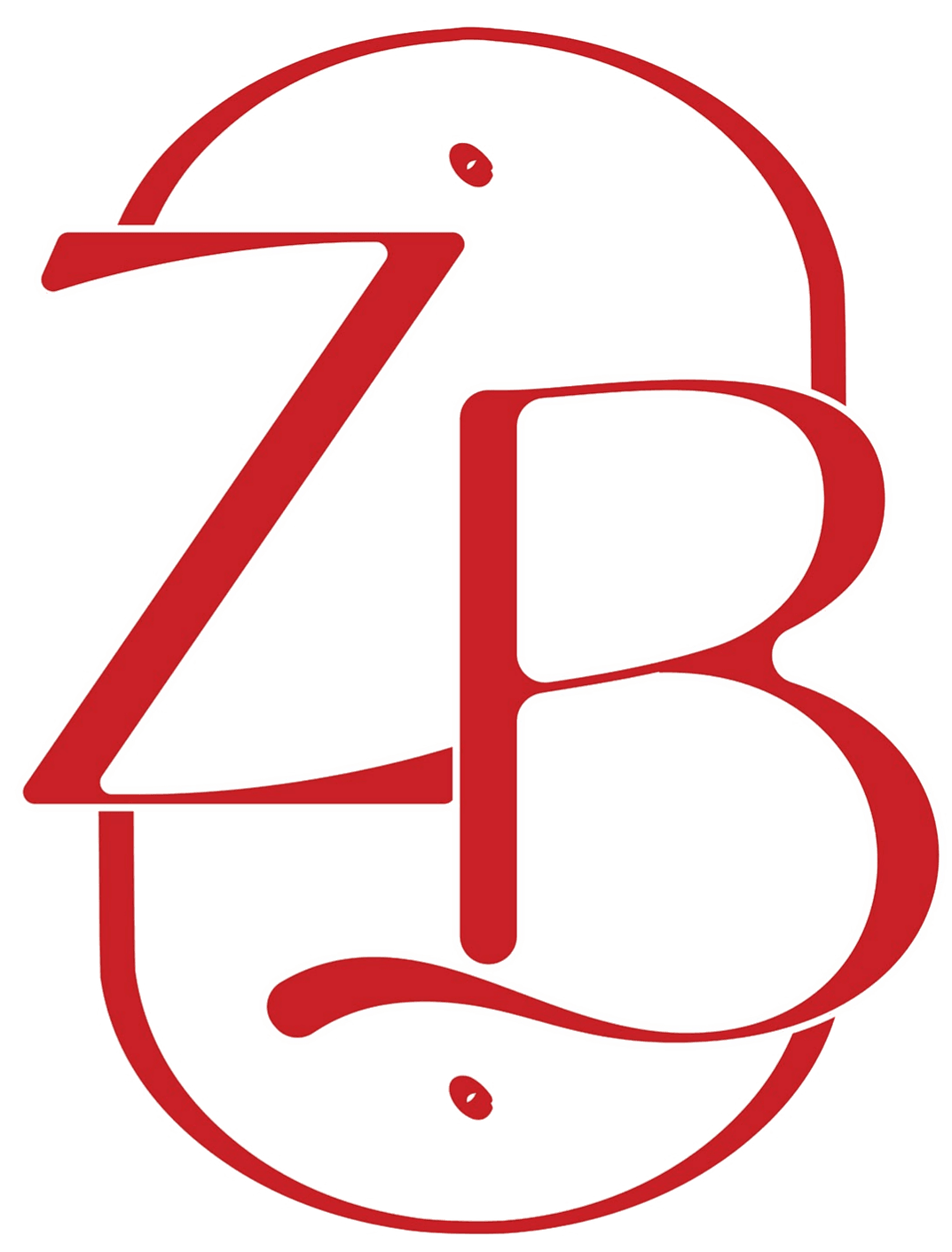
Submark (ZB Monogram)
The compact mark, built for small-format placements where a full wordmark won't sit well: favicon, social profile photo, jewellery tags, embossed pouches, and anywhere space is tight.
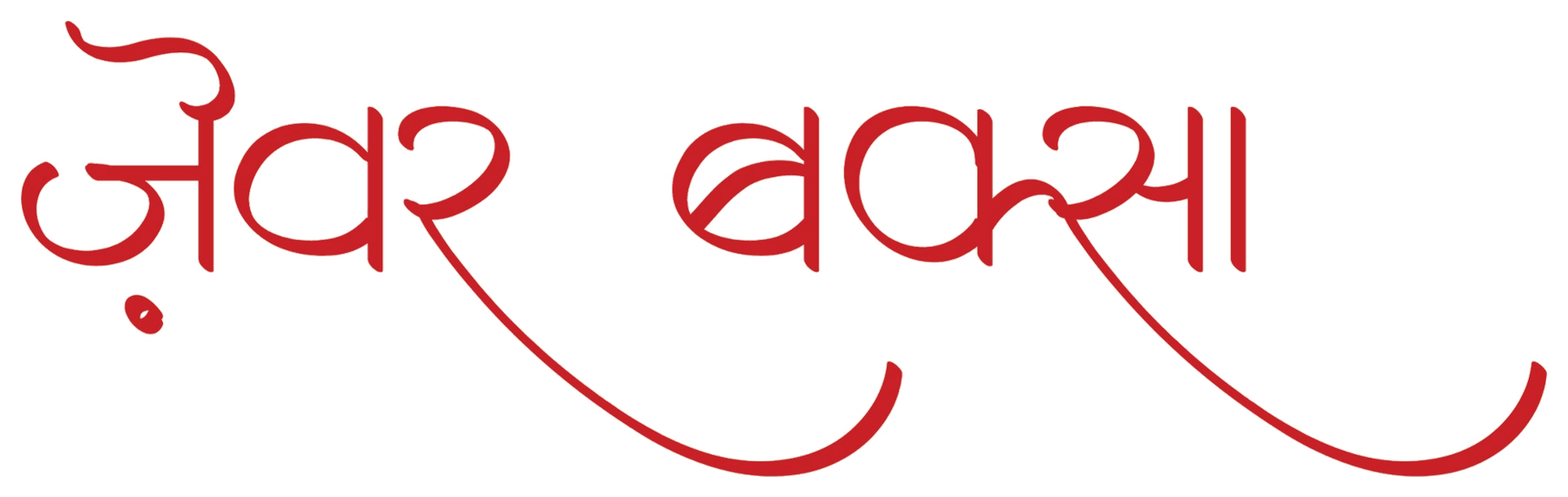
Hindi Wordmark (ज़ेवर बक्सा)
Reserved for traditional and heritage-rooted collections. Written in Tanishka's mother's handwriting, it carries a personal, generational thread that the English mark doesn't, so it's used deliberately, not interchangeably with the English wordmark.
“A little box of memories, worn close to the heart.”
Explore The Collections